Headline Sponsors









Headline Sponsors



Early identification of future employees, reduced apprenticeship recruitment costs, new ideas and energy and the opportunity to shape what colleges and training providers teach, are just some of the benefits for employers offering industry placements and work experience for T Level students.
Introduced as an employment-led alternative to A levels, the two-year T level qualification includes a 45-day industry placement, giving students the opportunity to gain practical ‘on the job’ experience and valuable insights into the world of work.
At the end of their course, students emerge with the equivalent of three A levels, and some do choose to go on to higher education. But, for many, the placement is the first step on the career ladder and an apprenticeship. For employers, it’s an opportunity to get introduce students to the business and get to know them before considering whether to offer an apprenticeship role.
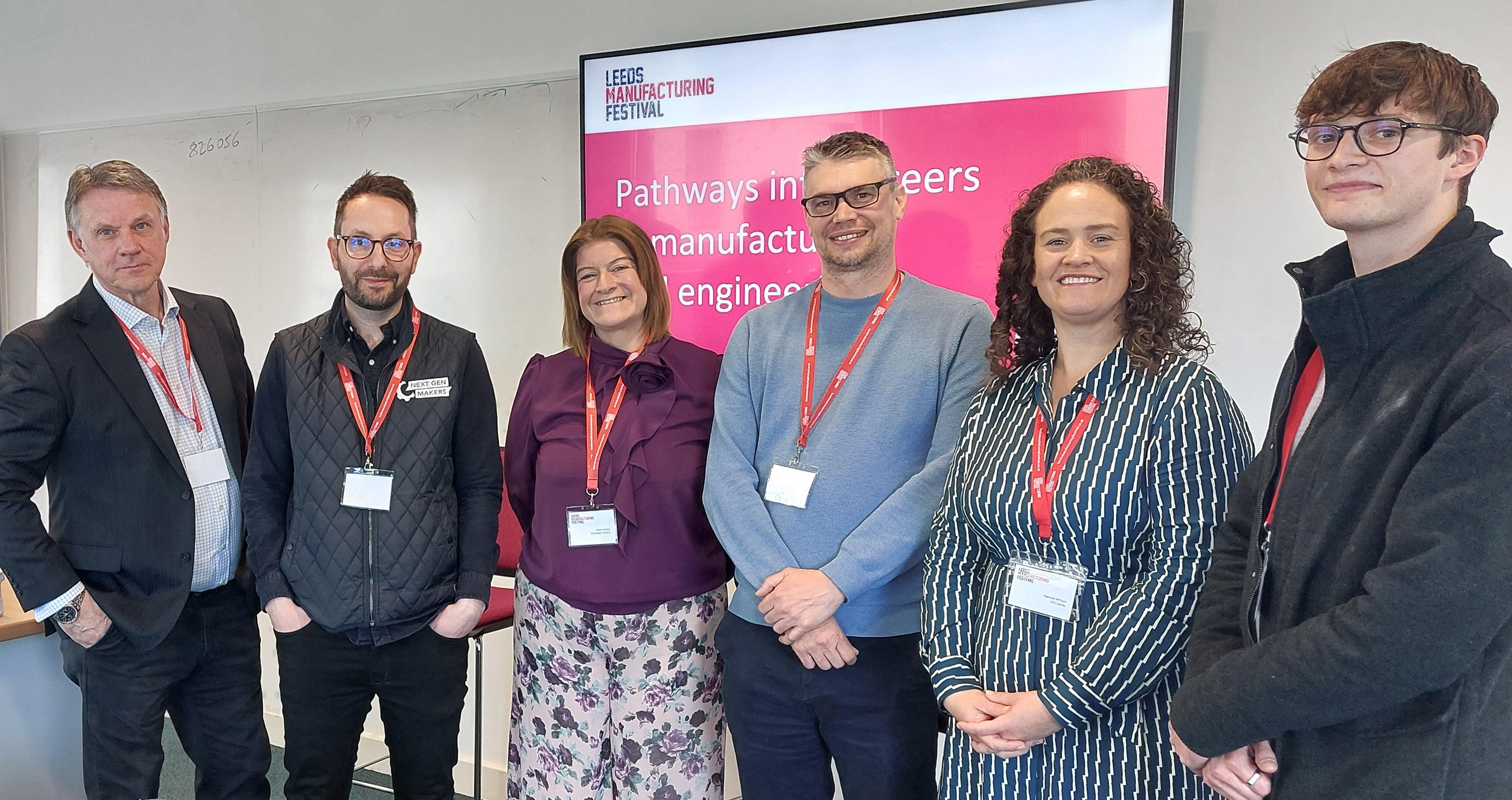
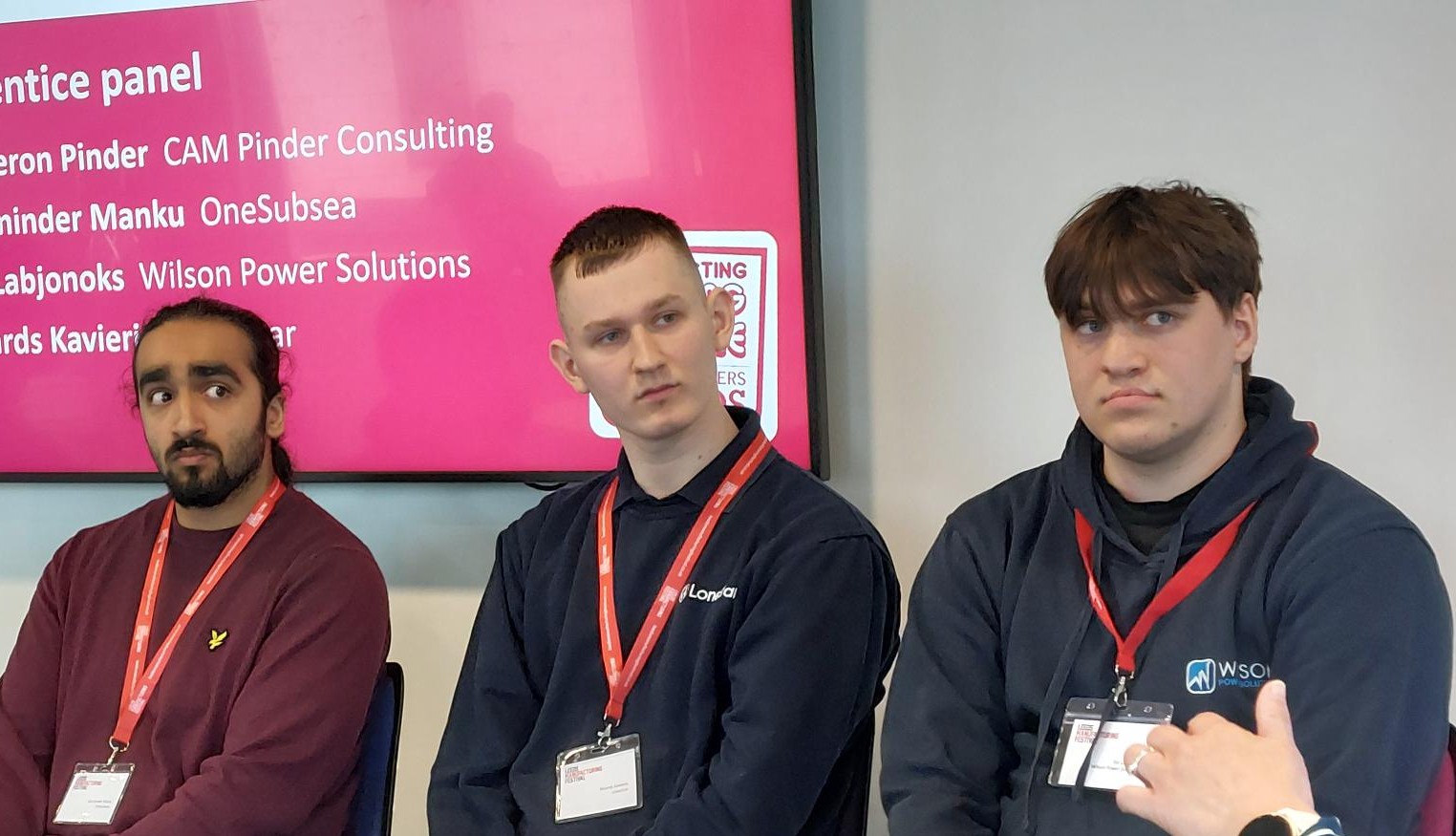
Manufacturing employers, training providers and educators came together at Leeds Beckett University last week (6/5/26) for the ‘Pathways into Careers in Manufacturing and Engineering' event, looking at how offering placements can create a talent pipeline to for employers to attract the next generation into the sector.
Production manager Andrew Walton described how Leeds-based ACS Stainless has done just that. After taking two engineering students on placement last year from UTC Leeds, both were offered apprenticeship roles starting this September.
The company, which manufactures structural steel components for the construction industry and has a workforce of just under one hundred staff, now plans to offer five placements next year.
The key lesson for Andrew is to set young people up to succeed from the outset by offering a placement and giving them an early introduction to your business and what you do before you offer them a role. “It allows you to shape your future workforce before hiring and is now part of our strategy for future talent,” says Andrew.
Dawn Helsby, who works for Schneider Electric in early careers development and is regional chair of the T Level Ambassador Network, also highlighted the benefits as well as the challenges of integrating T Levels into the organisations employee development framework.
“Health and safety was definitely a challenge, together with internal resources to supervise and provide coaching for students, but we developed a ‘no risk’ job description and sold the benefits for experienced team members in terms of developing their own coaching and mentoring skills."
A wide range of support is available to any employer offering industry placements. Matt Leigh from SDN Memsa, which works with the Department for Education and facilitates the national T Level Champions Network, outlined the resources and advice employers can draw on whether they are offering an industry placement for the first time or planning to take more students on placement.
But, once you’ve offered an apprenticeship to a young person, how can employers reduce risk of failure at that stage and make sure apprentices complete their training?
“It’s about seeing apprenticeships as a strategic workforce investment and creating a good quality learning environment,” says Adam Tipper from Next Gen Makers, which runs a best practice network and helps benchmark apprenticeships against ‘best-in-class’ training schemes.
He also highlighted the importance of mentoring in giving apprentices the guidance, feedback, confidence and support they need to develop their skills, overcome challenges and succeed.
With far-reaching changes to apprenticeship funding and provision imminent, head of Employment & Skills Leeds Gillian Wallace rounded off the session by outlining the implications of the reforms for employers.
Foundation apprenticeships for young people who are not yet ready for a full apprenticeship, more flexibility for employers over how they use training funds, and financial incentives to recruit and train young people, are some of the measures being rolled out in Yorkshire this summer. There are also plans for shorter apprenticeships to take into account prior learning through T levels, for example.
Gillian said: “The measures are all part of a push by government to create an apprenticeship system that works for employers and young people, creating greater opportunity and stronger progression routes from school and college into the world of work.”