
Headline Sponsors









Headline Sponsors
High-performing businesses treat apprenticeships as a long-term investment, embedded within wider organisational and skills strategies, rather than a short-term recruitment tool or PR exercise, says “An investment in your people is as important, if not more important, than investing in machinery,” says Adam Tipper, managing director of Next Gen Makers.
Strategic approach to future talent
Engineering businesses in Leeds are demonstrating how strategically planned apprenticeship programmes can deliver long-term value, both for young people and their employers. With guidance from Leeds Manufacturing Festival sponsor Next Gen Makers, firms such as LBBC Technologies and Powell UK are helping to redefine what excellence looks like across the sector.
Both firms have been awarded ‘Gold Excellent Employer’ status by Next Gen Makers for the Engineering Apprenticeships: Employer Accreditation, backed by industry body Make UK, recognising their outstanding apprenticeship schemes.
Yet across manufacturing, apprenticeship provision remains inconsistent. While many employers promote their commitment to developing talent, too often programmes lack the structure, strategic alignment and long-term thinking needed to succeed. Completion rates across engineering and manufacturing continue to fall short of government targets, highlighting a wider issue around quality.
Raising standards across the sector
Next Gen Makers was established to address this challenge. As a private sector-led organisation, it brings together a community of employers committed to improving apprenticeship standards and sharing best practice.
“Our membership ranges from businesses like LBBC and Powell that have mature programmes they have developed and refined, through to companies at the start of their journey who are looking to understand what good looks like,” explains founder and managing director Adam Tipper.
By connecting early-stage employers with more established programmes, the organisation enables businesses to benchmark their activity, learn from peers and continuously improve.
Too often, says Tipper, apprenticeships are introduced as a short-term recruitment tool or for reputational reasons. High-performing businesses, however, treat them as a long-term investment, embedded within wider organisational and skills strategies.
“An investment in your people is as important, if not more important, than investing in machinery,” he says.
For apprenticeships to deliver real impact, they must be aligned to a clear business need, with defined outcomes and progression routes. That requires a direct link between organisational strategy, skills planning and apprenticeship delivery, ensuring programmes are designed not just for today’s roles, but for future capability.
What best practice looks like
Through its annual apprentice survey, Next Gen Makers has identified the hallmarks of high-quality programmes. These include structured training plans, strong mentoring, clear expectations and defined progression pathways. Crucially, they are embedded culturally, with commitment from leadership through to line managers to recognising and celebrating apprentice contributions.
The cost of getting it wrong
The business case for getting apprenticeships right is significant. Feedback from Next Gen Makers members shows that well-designed programmes improve retention, enhance the learning experience and deliver more consistent outcomes.
Poor-quality schemes, however, can be costly. Research suggests that a failed apprenticeship can cost between £80,000 and £300,000, representing a substantial loss of time, resource and future capability.
The sector is often described as a “leaky bucket”, with talent leaving before it has the opportunity to develop. This is particularly pronounced among underrepresented groups, including women, highlighting the importance of inclusive, supportive workplace cultures. Businesses that prioritise diversity and create environments where individuals feel valued are more likely to retain talent and achieve stronger performance.
LBBC Technologies – building flexibility, skills and future leaders
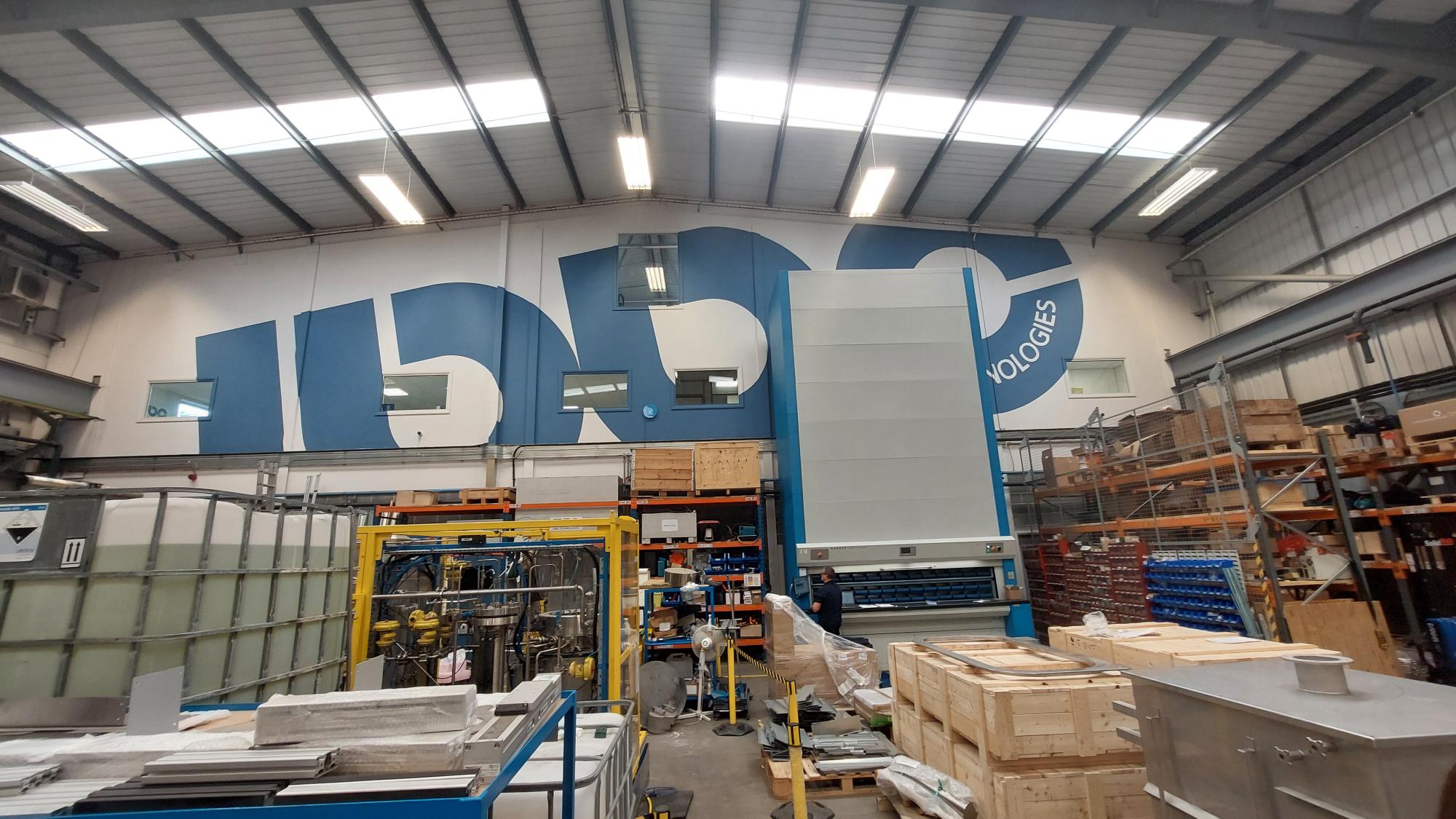
With a heritage spanning 150 years in Leeds, LBBC Technologies supplies high-pressure autoclaves and vessels to global markets including aerospace, chemicals and defence. Maintaining that position depends on a constant focus on skills, succession planning and continuous improvement, with apprenticeships central to that strategy.
“It is important for LBBC to maintain the highest possible standards for our apprentice programme,” says group QHSE manager Jim Alexander. “Achieving the Gold standard ‘Excellent Employer’ status gives us confidence that we are delivering the best possible learning experience.”
Unlike more rigid models, LBBC has developed a flexible apprenticeship approach, designed to reflect the reality that at the age when they apply for apprenticeships, many young people are still exploring their career options.
“Ours is unusual in that it’s a flexible apprenticeship scheme,” Alexander explains. “Most young people don’t have a very specific idea about what they want to do at 16, so enabling them to experience different parts of the business helps us attract the best talent and supports them to find where their strengths lie.”
This approach delivers clear benefits for both apprentices and the business. By rotating through different departments, apprentices at LBBC gain a broader understanding of operations while uncovering skills they may not have initially considered.
“One apprentice had no interest in systems and programming, which is an area we traditionally find harder to recruit for,” says Alexander. “After spending time with that team, he discovered a real aptitude and enthusiasm for it, which was a great outcome for him and for us.”
While aligning workplace learning with college requirements can present challenges, LBBC has prioritised making the flexible model work, recognising its long-term value.
Continuous improvement is also embedded into the programme. Regular feedback sessions bring apprentices together to share their experiences, with insights gathered anonymously and used to refine the scheme.
“We’re constantly developing and improving, reacting to feedback from the apprentices,” Alexander adds.
This structured yet flexible approach, underpinned by a clear focus on progression and inclusion, is helping LBBC to build a sustainable pipeline of talent while futureproofing the business.
Powell: continuous improvement in action
At Powell UK, which manufactures switchgear for sectors such as oil, gas and heavy industry, apprenticeships have long played a central role, but recent years have seen a renewed focus on strengthening and refining the programme.
Through participation in the Next Gen Makers Best Practice Programme, the company has taken a more structured and critical approach to its development.
“Powell’s apprenticeship scheme has always been integral to what we do, however in the last few years we have given this a renewed focus,” says human resource manager Lily Chapman.
“Being part of the Next Gen Makers Best Practice Programme has allowed us to work with a critical eye and make improvements to the scheme, helping us more effectively meet our current and future needs.”
This commitment has been recognised through Gold Accreditation, reflecting the strength of the programme and the support structures in place.
“We are confident that our current and new apprentices will have a fantastic entry into our business and a range of development opportunities, giving them an excellent platform from which to grow their careers,” she adds.